Unveiling the Beauty of Handmade Metal Repoussé Techniques
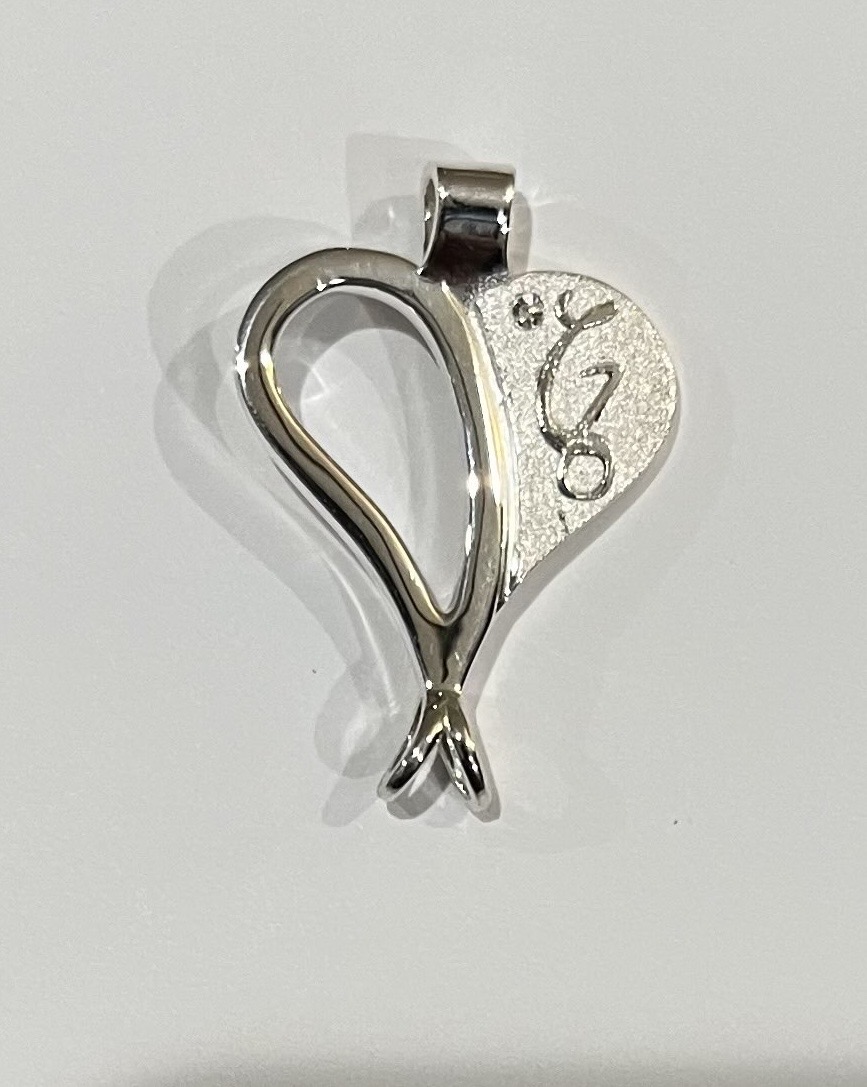
When I first discovered metal repoussé techniques, I was instantly captivated. There’s something magical about transforming a flat sheet of metal into a textured, dimensional work of art. It’s like watching a story unfold beneath your fingertips. And for me, this art form has been more than just a creative outlet—it’s been a path to healing after my brain injury. Today, I want to share this journey with you, along with some practical insights into the craft itself.
What Is Metal Repoussé? A Hands-On Introduction
Metal repoussé is an ancient technique where metal is shaped and decorated by hammering from the reverse side to create a raised design on the front. It’s a bit like sculpting, but with a sheet of metal instead of clay. The process requires patience, precision, and a gentle touch—qualities that I’ve found incredibly therapeutic.
You start with a thin sheet of metal, usually copper, silver, or brass. Using specialized tools, you carefully push and shape the metal from behind, creating intricate patterns and textures. The beauty of this technique is that no two pieces are ever the same. Each one carries the unique imprint of the artist’s hands and heart.
If you’re curious, you can explore more about handmade metal repousse art and see how this craft can be a meaningful form of expression.

Close-up of copper repoussé art showing detailed raised patterns
Why Metal Repoussé Techniques Are Perfect for Healing
After my brain injury, I needed something that would help me focus, calm my mind, and rebuild my confidence. Metal repoussé techniques offered all that and more. The repetitive hammering and shaping require mindfulness, which helped me stay present and grounded.
Here’s why I think this craft is especially good for healing:
Focus and Patience: The process demands attention to detail, which can improve concentration.
Sensory Engagement: Feeling the metal respond to your touch is incredibly satisfying and grounding.
Creative Expression: You can pour your emotions into the design, making each piece deeply personal.
Sense of Accomplishment: Completing a piece, no matter how small, boosts self-esteem.
If you’re recovering from a brain injury or any other challenge, I encourage you to give this a try. Start small, be patient with yourself, and enjoy the journey.
Tools and Materials You’ll Need to Get Started
You don’t need a fancy studio to begin exploring metal repoussé techniques. Here’s a simple list of essentials to get you going:
Metal Sheets: Copper is ideal for beginners because it’s soft and affordable.
Repoussé Tools: These include various shaped punches and hammers. You can find starter kits online.
Pitch or Sandbag: A soft surface to support the metal while you work.
Tracing Paper and Stylus: For transferring your design onto the metal.
Safety Gear: Gloves and eye protection are a must.
Start with simple designs like leaves, flowers, or geometric shapes. As you gain confidence, you can experiment with more complex patterns.

Metalworking bench set up for repoussé with tools and copper sheets
Tips for Beginners: Making Your First Repoussé Piece
I remember my first attempt—it was a mix of excitement and frustration. But every mistake taught me something new. Here are some tips to help you avoid common pitfalls:
Take Your Time: Don’t rush. The metal will tell you when it’s ready for the next step.
Practice on Scrap: Before working on your final piece, try your design on scrap metal.
Keep Tools Sharp and Clean: Dull tools can slip and ruin your work.
Use Light Hammering: Start with gentle taps and increase pressure gradually.
Stay Relaxed: Tension in your hands can affect your control.
Remember, this is your creative space. There’s no right or wrong—only your unique expression.
How This Craft Became My Personal Therapy
Living with a brain injury means facing daily challenges—memory lapses, fatigue, and frustration. Metal repoussé techniques gave me a way to channel those feelings into something beautiful. Each piece I create is a reminder of my resilience and growth.
I’ve found that the rhythmic hammering helps quiet the noise in my head. It’s almost meditative. And when I see the design emerge, I feel a sense of pride and hope. This art has become a symbol of my healing journey.
If you’re navigating your own path to recovery, I hope my story inspires you to find your own creative outlet. It doesn’t have to be metalworking—just something that brings you peace and joy.
Bringing It All Together: Your Next Steps
If you’re ready to dive into metal repoussé techniques, here’s a simple plan to get started:
Research: Watch videos and read tutorials to understand the basics.
Gather Materials: Start with affordable copper sheets and a basic tool kit.
Design: Sketch simple patterns that resonate with you.
Practice: Dedicate a few minutes each day to hammering and shaping.
Connect: Join online communities or local workshops to share your progress.
And don’t forget—this is about more than just making art. It’s about healing, expressing, and connecting with yourself.
I hope this glimpse into the world of metal repoussé techniques has sparked your curiosity. Whether you’re looking for a new hobby, a way to heal, or just a bit of inspiration, this craft has so much to offer. Remember, every mark you make is a step forward on your journey.
Keep creating, keep healing, and most importantly, keep believing in yourself. You’ve got this!
Comments